Camera work:
We used 6 different camera shots in our thriller opening sequence. These included a long shot, this was used so the audience can see more of the set and surrounding area. we used a POV shot when the antagonists were running away from the victim to portray intensity and fear. We then used a close-up shot when the antagonist was dialing a number on his phone, we used this shot so that the audience can see the phone being dialed. The next shot was also a close up of the receivers phone when an unknown number appeared. We used this to create continuity between the two calls.
We also used a mid-shot when the antagonist walked up to the window. we used this shot
Mise-en-scene:
We used a casual costume for our thriller as we wanted to portray a 'normal' setting. we used natural lighting outside, we chose not to use the standard dark thriller lighting in our opening sequence as it is set at a college during the day. we used very few props in our opening sequence as we did not want to be to detailed and only give away a little bit of what is going on throughout. we used the poles to beat the victim and two mobile phones for communication between the antagonist and the protagonist.
Sound:
In our opening sequence we have both diagetic and non diagetic sound. The diagetic sound we used was the victims scream first and then the conversation between the antagonist and the protagonist. we kept the scream in as we thought it related to the thriller genre of out opening sequence very well. The conversation is a key part in the opening as we find out a section of the story.
The non-diagetic sound in our opening sequence is very low toned and ominous, with bursts of high pitch synths. We used this mix of high and low sounds to create tension and intrigue.
Editing:
The editing in our opening sequence consists of jump cuts, fades and dissolve transitions. we used jump cuts as they are fast paced and precise this relates to the non-diagetic sound track in our opening. we used fade transitions as they portray a slow and eerie mood. we used dissolve transitions because they keep the continuity flowing throughout the opening sequence.
Thursday, 3 March 2011

Antagonist and protagonist
An antagonist is a group of characters or a particular character who oppose the main character, or the main characters. In the narrative where the action consists of a hero fighting a villain, the two can be regarded as protagonist and antagonist. The antagonist may also represent a major threat or obstacle to the main character by their very existence, without necessarily actively targeting him or her.
in our thriller production we have used an antagonist and protagonist. the antagonist is the killer and the protagonist is the witness. the audience know this because they see the antagonist attack someone and the conversations between characters shows to the audience clearly the protagonist as well.
without either the antagonist or protagonist then there will be little/no conflicts which will mean the story will be harder to create. sometimes the identities of the antagonist and protagonist will be kept hidden in order to create an atmosphere for the audience. occasionally you will only find out the characters true identity at the end of the film. in our thriller we decided it would be clearer if we showed the identities of our characters and this helps the audience understand the moral behind the story.


in our thriller production we have used an antagonist and protagonist. the antagonist is the killer and the protagonist is the witness. the audience know this because they see the antagonist attack someone and the conversations between characters shows to the audience clearly the protagonist as well.
without either the antagonist or protagonist then there will be little/no conflicts which will mean the story will be harder to create. sometimes the identities of the antagonist and protagonist will be kept hidden in order to create an atmosphere for the audience. occasionally you will only find out the characters true identity at the end of the film. in our thriller we decided it would be clearer if we showed the identities of our characters and this helps the audience understand the moral behind the story.
Target Audience

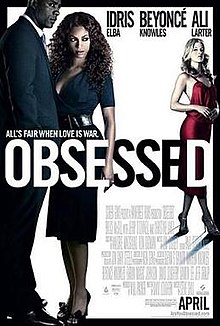
 Our target audience in our thriller film is both male and female aged 18 and above. this is becuase of the high level of violence and innapropriate behaviour for children under the age of 18. 18-30 year olds will have differant interests than for instance ages 30-45. The late teens/young adults will still be enjoying their social life and will like going out to the cinema and having fun with their mates. whereas, older adults will more involved with jobs and family. although the two groups are very differant, we feel as our film will appeal to these groups becuase of the high suspense within the film. we based our film on 'Obsessed' as that was very popular with the age group of 18-45. we hope our psychological thriller is as good as other psychological films and to ensure the audience enjoy it.
Wednesday, 2 March 2011
Peer Feedback on Rough Cut
When another group looked at our work, and they gave us feedback on a rough cut of our opening sequence. they said :
Shots: POV, close-up and handheld.
Mise-en-scene: Lighting: low and natural.
Props: poles, phone.
Costume: casual, student.
Location: field.
Editing transitions: jump cut. Sound is all diagetic.
Improvements:
- Sound effects.
- More thriller conventions.
Shots: POV, close-up and handheld.
Mise-en-scene: Lighting: low and natural.
Props: poles, phone.
Costume: casual, student.
Location: field.
Editing transitions: jump cut. Sound is all diagetic.
Improvements:
- Sound effects.
- More thriller conventions.
Tuesday, 1 March 2011
Colour scheme for Title Sequence
For our title sequence, the colour scheme plays a big part because it gives the over-all atmosphere of the opening, and can hint to which genre the film is.
Each colour is associated with different emotions. Red is linked to anger, love, and lust. Black is linked to death and emptiness. White is linked to purity. Blue is linked to calmness. Green is linked to jealousy.
Our Thriller has anger, guilt, death, and innocence in it. The best colours that link to this are black, red and white. These will be the colours we use for either background, or alongside a style of font that represents fear, or anxiety. Our logo is mostly red, to show blood, so red will be used sparingly, as not to distract from the logo, or overwhelm with a certain colour.
Each colour is associated with different emotions. Red is linked to anger, love, and lust. Black is linked to death and emptiness. White is linked to purity. Blue is linked to calmness. Green is linked to jealousy.
Our Thriller has anger, guilt, death, and innocence in it. The best colours that link to this are black, red and white. These will be the colours we use for either background, or alongside a style of font that represents fear, or anxiety. Our logo is mostly red, to show blood, so red will be used sparingly, as not to distract from the logo, or overwhelm with a certain colour.
Titles
When coming up with a title we looked at other thriller films such as; Obsessed, Inception, The hunted. These film titles are all linked to the narrative either by being a state of mind the protagonist is in, or the antagonist. Also, film titles can be linked to the main element or location in the film, such as "The phone booth". When choosing our title we thought about what our film was about and what were the important features. Our short list consisted of:
Framed
The Black-mailer
Wanted
The Watched
Never Alone
Faked
Blame Game
After going through each of these "The Watched" stuck out to us and was the one we all remembered. It relates to our film because our narrative is about a man being watched so that he is forced to take the blame for a crime.
Framed
The Black-mailer
Wanted
The Watched
Never Alone
Faked
Blame Game
After going through each of these "The Watched" stuck out to us and was the one we all remembered. It relates to our film because our narrative is about a man being watched so that he is forced to take the blame for a crime.
Thriller Music
During thriller opening sequences, the same piece of music tends to be played throughout, and it just fades in and out, and has different sections to it to correspond to the visual action.
Thriller music is distinctive because it often in written in a minor key, using chords, on the main instrument and ornamentation surrounds that chord using other instruments.
Thrillers often have a strong bass and beat which create a build up in suspense or tension. The use of wind instruments can create an eerie feel, like the wind, and can be mysterious, whereas brass sounds are loud and harsh, and can make you feel intimidated.
Thrillers nearly always end on a imperfect cadence so that the music is left hanging much like the narrative, instead of having a pleasing sounding end that sounds final, and gives closure.
Thriller music is distinctive because it often in written in a minor key, using chords, on the main instrument and ornamentation surrounds that chord using other instruments.
Thrillers often have a strong bass and beat which create a build up in suspense or tension. The use of wind instruments can create an eerie feel, like the wind, and can be mysterious, whereas brass sounds are loud and harsh, and can make you feel intimidated.
Thrillers nearly always end on a imperfect cadence so that the music is left hanging much like the narrative, instead of having a pleasing sounding end that sounds final, and gives closure.
Subscribe to:
Posts (Atom)
